SPIRITUAL PRACTICE & LINEAGE

Our spiritual practices can be deeply personal, while also being shaped by lineage, place, and community. They are embedded in broader complexities of power, privilege, and social and political contexts.
My known lineage includes Northwestern European ancestry on my maternal side and Korean ancestry on my paternal side, with different histories of immigration, place, diaspora, and family rupture.
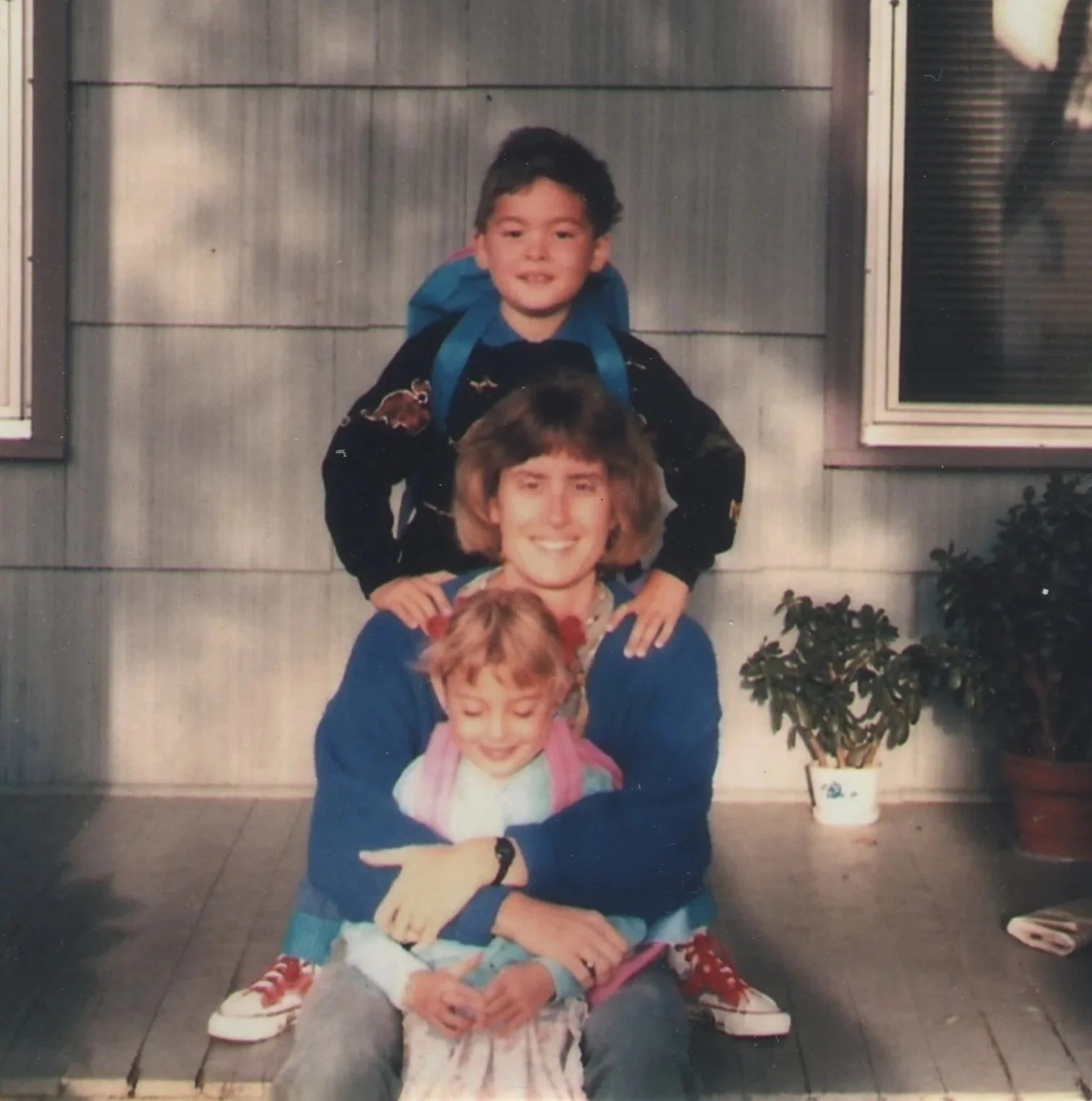
My creative offerings and spiritual practices have been shaped by my father's oral history, as well as how I experience the natural world, intuition, emotions, and the unseen. I feel lucky to have been anchored in these connections from a young age; they have supported me through lost ties to my known ancestry and family.
My magical practices tend to be simple and direct. I value keeping my rituals grounded and accessible. As a neurodivergent person living with dynamic disabilities and a history of religious trauma, I am drawn to flexible practices that can meet me where I am rather than asking me to conform to a particular structure, level of energy, or way of doing things.
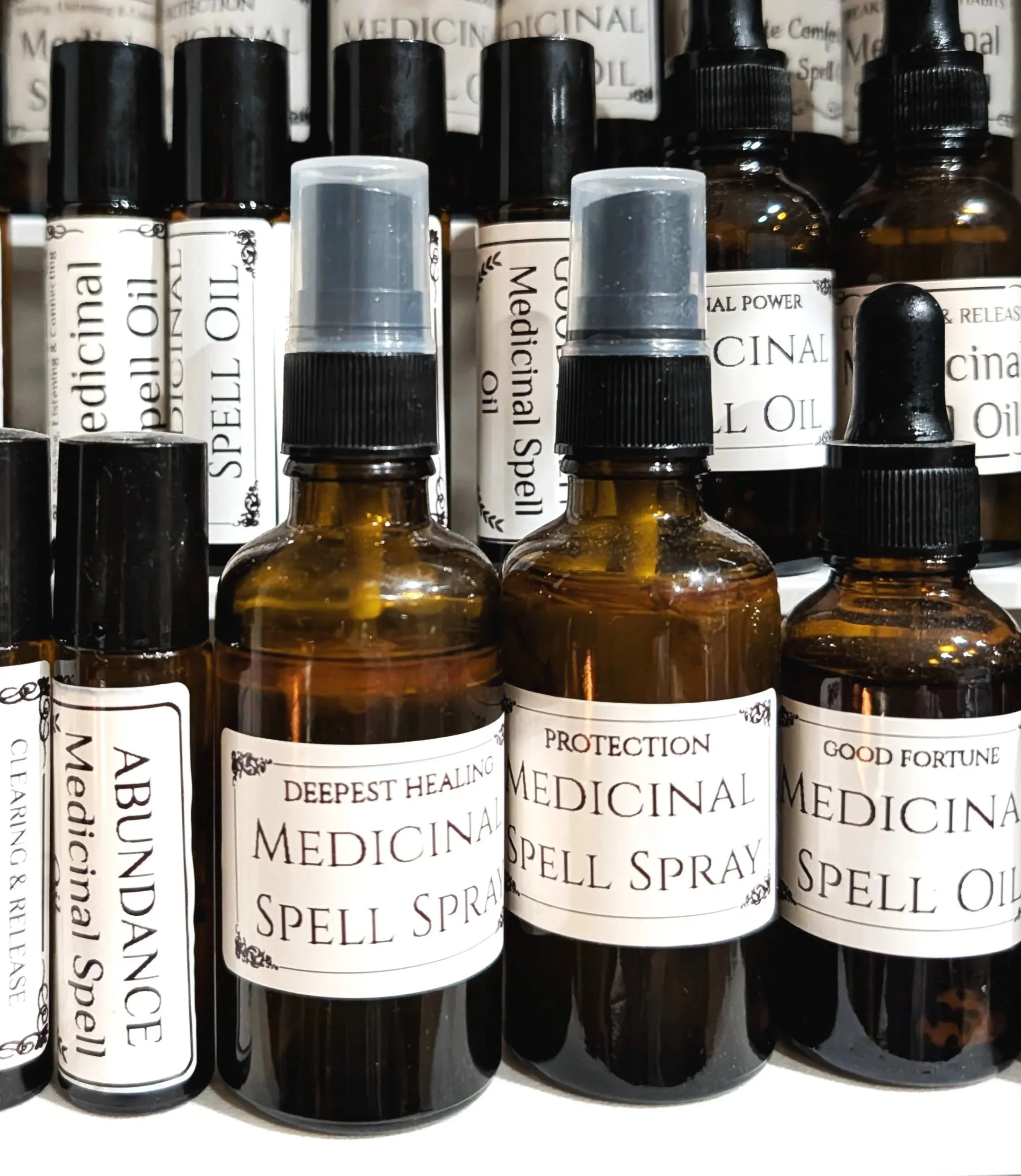
One of my favorite personal—and more elaborate—practices is making Medicinal Spell Oils.
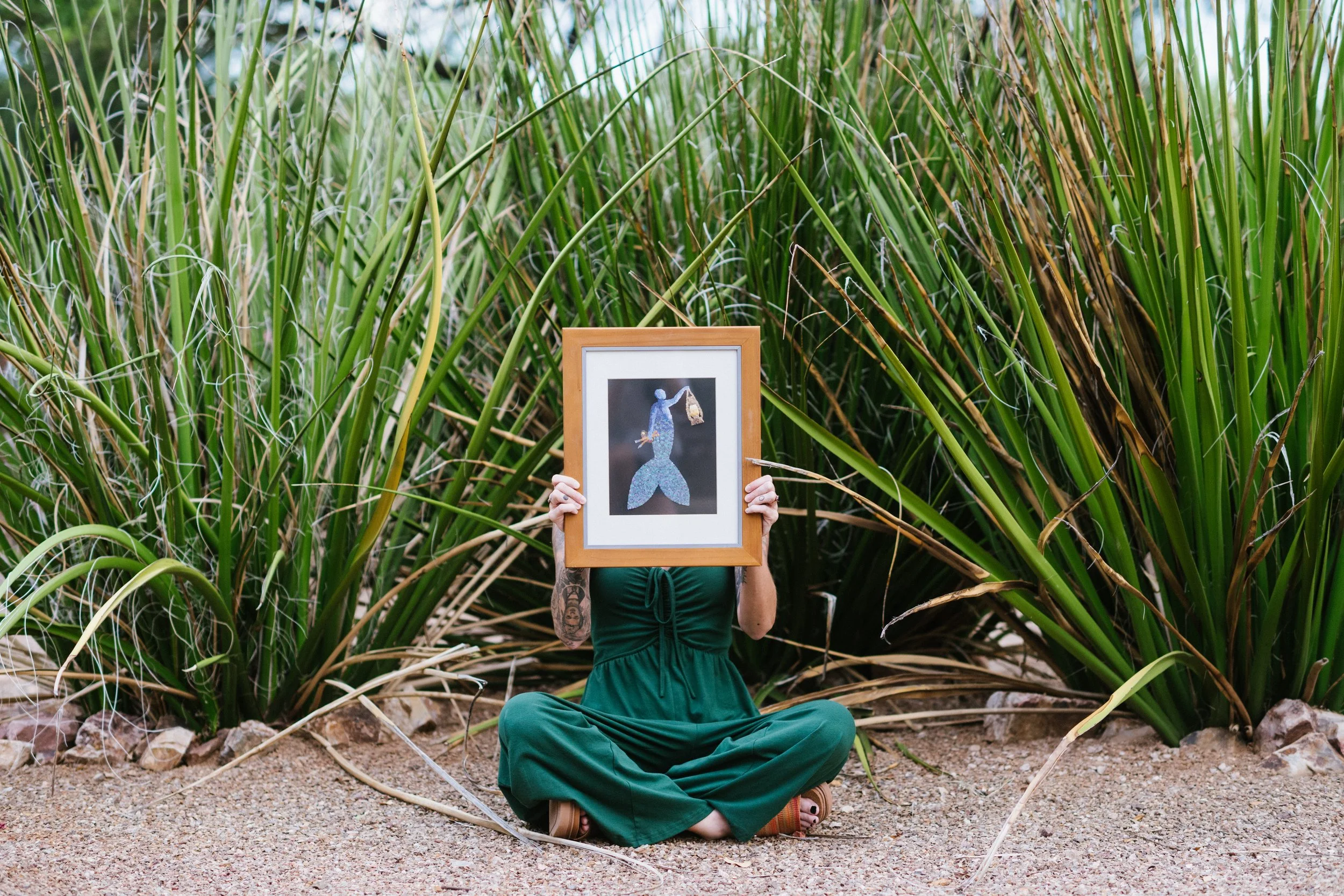
I started making spell oils one evening after many years of longing for my great-grandmother's ritual wisdom. I grew up with my father’s stories about her practices—she raised him, and taught him what plants to gather in the hills around Pusan, making medicines and using rituals for family care and healing. I developed my medicinal spell oils in my own way, using oils alongside plants, stones, shells, and other things I have gathered and kept. I love sharing them with people, and I love immersing myself in the play and rootedness that comes from mixing my oils at home.
Whatever our spiritual practices are, I believe they should feel as approachable, supportive, empowering, and connective as we wish them to be, while remaining rooted in respect for where practices come from and whether they are ours to use.
We won’t always know everything, and we can adapt our practices as our understanding deepens.
thoughts and explorations on respectful spiritual practice
“How do I find the spiritual practices that help me line up with Spirit, help me actually hear Spirit? And how do I do that in a way that is what I think of as right relationship? Where I’m not dishonoring, stealing or taking.”
— adrienne maree brown
“So to me, the most important ceremonies are the ones that are genuine, that come from your heart, from your relationship with place.”
— Robin Wall Kimmerer
caller: “…the question I have is, so I’m a child of immigrants from Asia. And I’m culturally hybrid, like a lot of people. And I feel the deep need for what you wrote, the elders call the invitation to remember to remember, which is ceremony.
And how might ceremony be available to people like me who are culturally hybrid? I have experienced very awkward moments of things that feel more like appropriation. So I’m curious as to just some guidance of on how that might be done in a more respectful way.”
ROBIN WALL KIMMERER: I really appreciate this question because it speaks to the longing that we have for right relationship with land, and the way that ceremony can help reinforce that, or in fact, in some cases, create it. But I’m grateful to you for raising the question of cultural appropriation because altogether too often, in the absence of, let’s say, inherited heritage ceremonies, there is a tendency to want to borrow them, to take them from other cultures, i.e. engage in cultural appropriation.
And this is to be avoided at all costs for so many reasons. But the one I want to focus on in the moment is this longing to use ceremony as a way to connect with land. The way that that connection happens is through what I think of as authentic ceremony, ceremony that is true to the roots of what ceremony means, which is to create intentional space, to bring one’s whole being through artistic spiritual, emotional, mental, physical relationship with the land, or with whatever entities you are engaging in.
So to me, the most important ceremonies are the ones that are genuine, that come from your heart, from your relationship with place. Being grateful for a clean drink of water, or grateful for birdsong in the morning, is uniquely human. It is not culturally specific. The best way, I think, to engage in ceremonial relationship with place and not to appropriate it is to let it develop organically out of an intimate relationship with place.
may we keep wondering, talking, learning & growing.